Hawai'i Wai Ola
Mission | Vision | Values


Our Mission
To improve Hawai’i Island’s coastal water quality through science, communication and collaboration to accelerate positive change.

Our Vision
The waters of Moku o Keawe are clean and thriving within communities that honor our interconnectivity with the āina.

Our Foundation
We believe that for conservation to be durable, our interventions must align with the cultural and economic needs of our island community and that we can help empower local business to lead the effort.

Our Values
Hana Kūpono: Demonstrating excellence.
Producing high quality, open source data that is collected through rigorous science, observation and ʻike Hawaiʻi to empower communities to care for the aina.
Hoʻokele: Navigating with intention.
Through strategic and progressive action, we make deliberate and effective choices that guide us toward our goal of improved water quality.
Laulima: Working together.
Valuing our diverse communities to cultivate our individual and collective kuleana for the benefit of future generations.
Hoʻokaʻana: Sharing.
We openly provide access to our work - including protocols, data and organizational processes. In this way, we may learn from one another and expand the scale of our collective efforts for clean waters.

Why Care About Reefs?
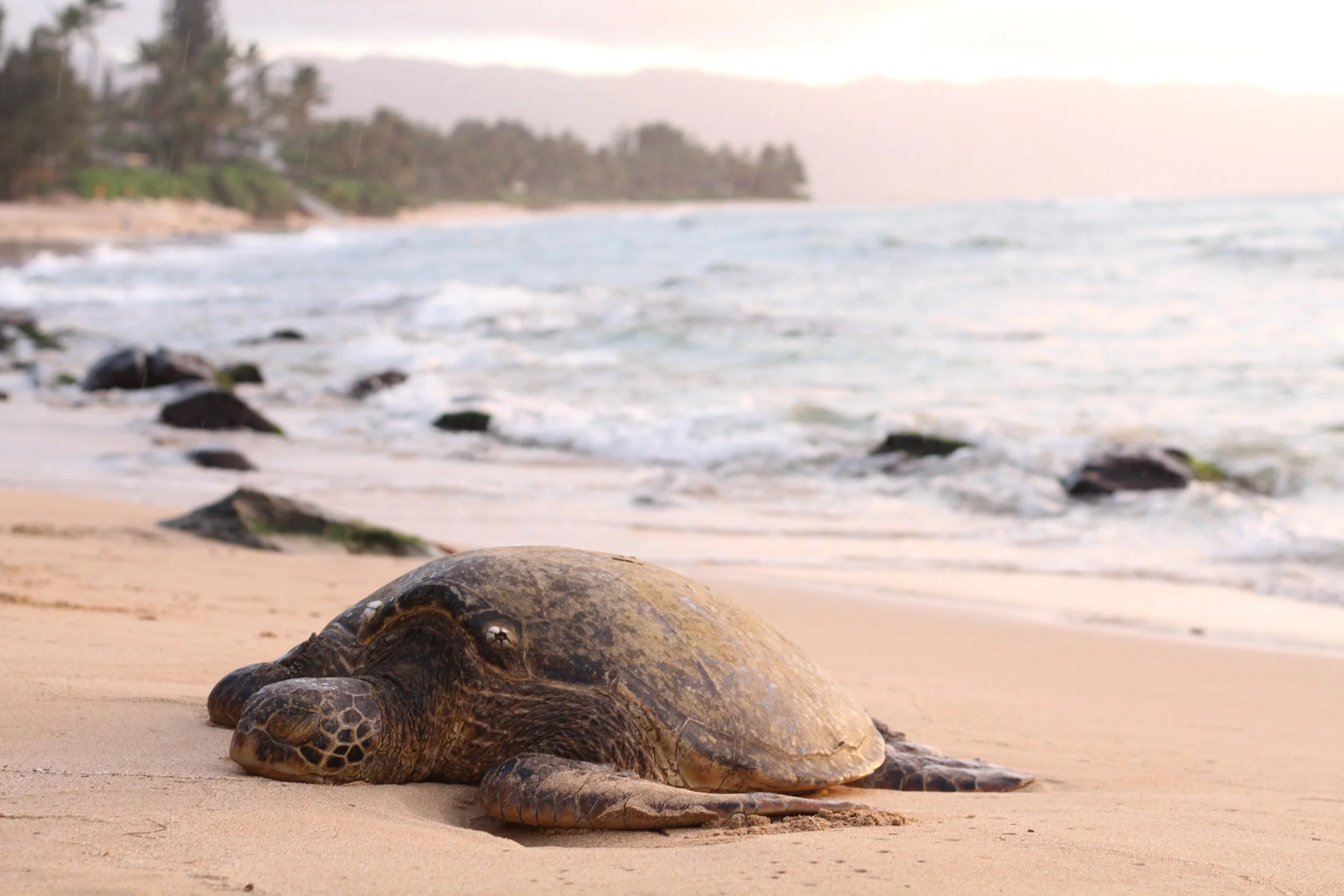
Coral reefs are unlike anything else on the planet. In addition to providing valuable habitat for fish and other animals, they are incredibly beautiful, with seemingly infinite structures and growth forms. Some of their common names describe this diversity: staghorn, elkhorn, bird’s nest, brain, finger, mushroom, pillar, lettuce, lobed, and tube, to name just a few. Their intricate crevices and three-dimensional structures shelter many species of fish, marine worms, crustaceans, clams, and many other animals and plants, all of which play a unique and vital role in the coral reef ecosystem.
Coral reefs are an important food source for the people who live near reefs, and, as nurseries, are vital to the world’s fisheries. Many of the compounds now being used in human medicines, including some that treat cancer, are found on coral reefs, with probably many more yet to be discovered. Coral reefs help humans in many other ways too: generating tourist dollars for communities, and—especially important in our changing climate—acting as natural barriers against storm events like hurricanes, typhoons, and even tsunamis. The annual value of the ecosystem services provided by coral reefs to millions of people is estimated to be over $375 billion.

Who We Are
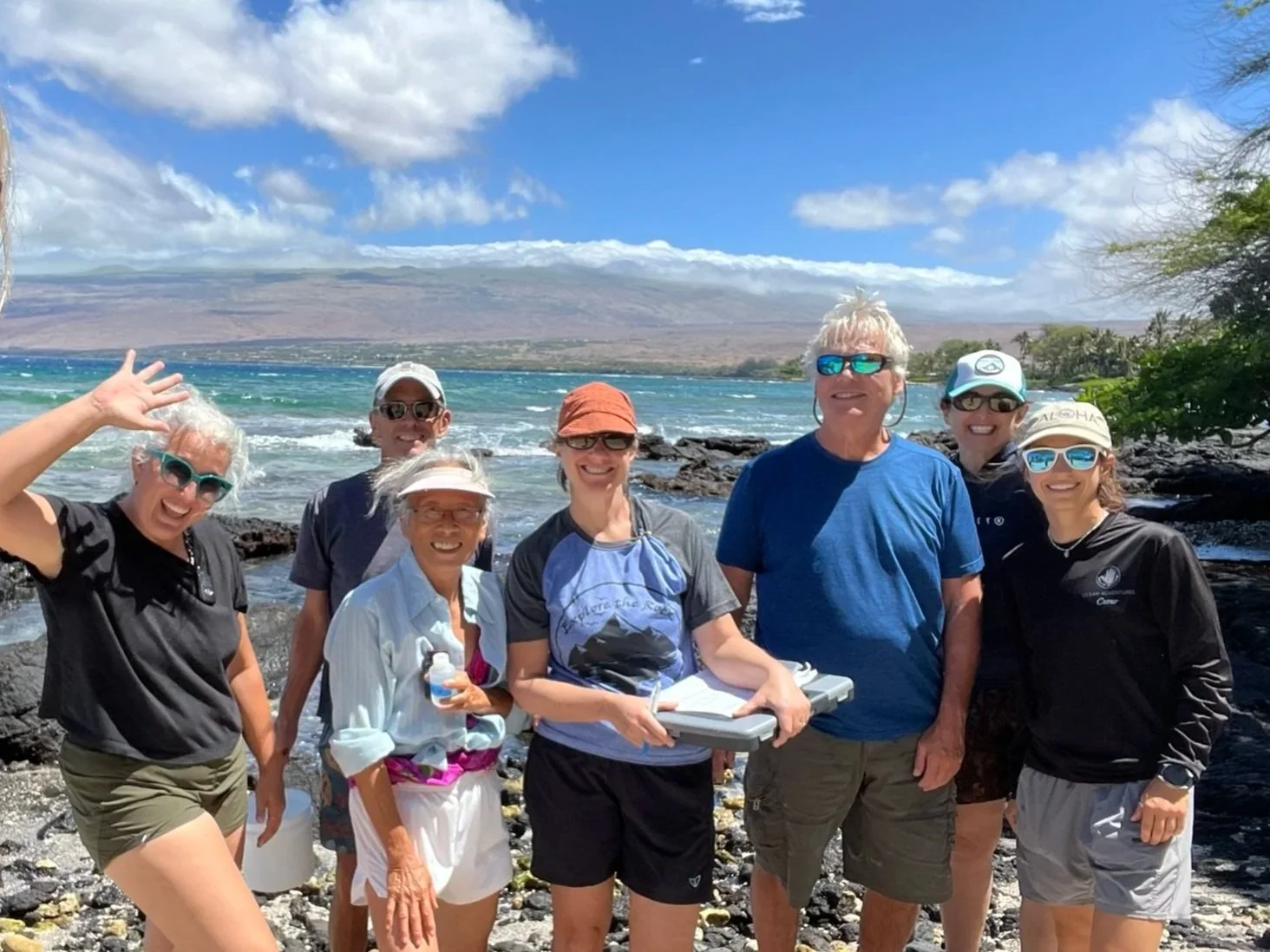
Hawaiʻi Wai Ola is a group of water quality champions that is dedicated to measuring and sharing the status of Moku O Keawe’s ocean water. Comprised of community member volunteers, scientists, government and non-government organizations, Hawaiʻi Wai Ola recognizes the value of a clean ocean for all of Hawai'i's residents, visitors, and natural resources.
Through our work, Hawaiʻi Wai Ola offers Moku O Keawe a more comprehensive and timely understanding of its water quality, and thus, its quality of life.
Our Impact
Across Hawaiʻi, coastal water quality is influenced by land-based sources of pollution including stormwater runoff, sedimentation, and aging wastewater infrastructure. An estimated 88,000 cesspools statewide release approximately 53 million gallons of untreated sewage into groundwater each day, contributing nutrients and bacteria that can degrade coral reefs and pose risks to human health. Hawaiʻi Wai Ola provides consistent, state-comparable coastal water quality data that helps communities and decision-makers better understand these challenges and prioritize solutions. Monitoring results have supported implementation of the Kealakekua Bay Community Action Plan, informed restoration planning through the South Kohala Coastal Partnership, contribute to the County of Hawaiʻi’s Community-Based Hilo Bay Resilience and Watershed Management Plan, and helped establish baseline conditions in Puakō needed to evaluate proposed wastewater infrastructure improvements. By filling critical long-term monitoring gaps and translating community observations into actionable information, Hawaiʻi Wai Ola strengthens planning, policy, and stewardship efforts to improve coastal water quality and reef resilience across Moku o Keawe.
Community-Based
We believe that for conservation to be durable, our interventions must align with the cultural and economic needs of our island community and that we can help empower local business to lead the effort.
Science-Backed
Despite recent declines in coral reef health, research shows that corals can adapt to changing conditions if damage from local threats are minimized. As such, we work to reduce local threats and create adaptive reefs that are healthy, diverse, and large.
Outcome-Driven
We focus our efforts on addressing the most pressing threats to coral reefs including damage from water and land-based pollution, overfishing, and unsustainable development.
Get Involved
The Hawaiʻi Department of Health (HDOH) works to protect public health by issuing advisories when coastal water quality becomes unsafe due to stormwater runoff or sewage pollution. However, with limited capacity to monitor every shoreline across Hawaiʻi Island, many communities are left without regular information about the waters they use and care for.
Hawaiʻi Wai Ola helps fill this gap. Our trained community volunteers regularly monitor coastal waters for pollutants that can impact both coral reef ecosystems and human health. By comparing results to state water quality standards, we are able to share timely information with communities and support decision-makers working to protect our ocean resources.
Citizen science is a powerful and cost-effective way to expand water quality monitoring while strengthening community awareness, stewardship, and action.

Our Team
Hawaiʻi Wai Ola is powered by a dedicated team of scientists, community leaders, regional coordinators, and volunteers who share a commitment to protecting Hawaiʻi Island’s coastal waters. Our team brings together expertise in water quality monitoring, marine science, community engagement, and environmental management to support a collaborative, community-driven approach to stewardship.